© Tom Blewitt & Zack Griffiths – HMP Prisons Justice Group
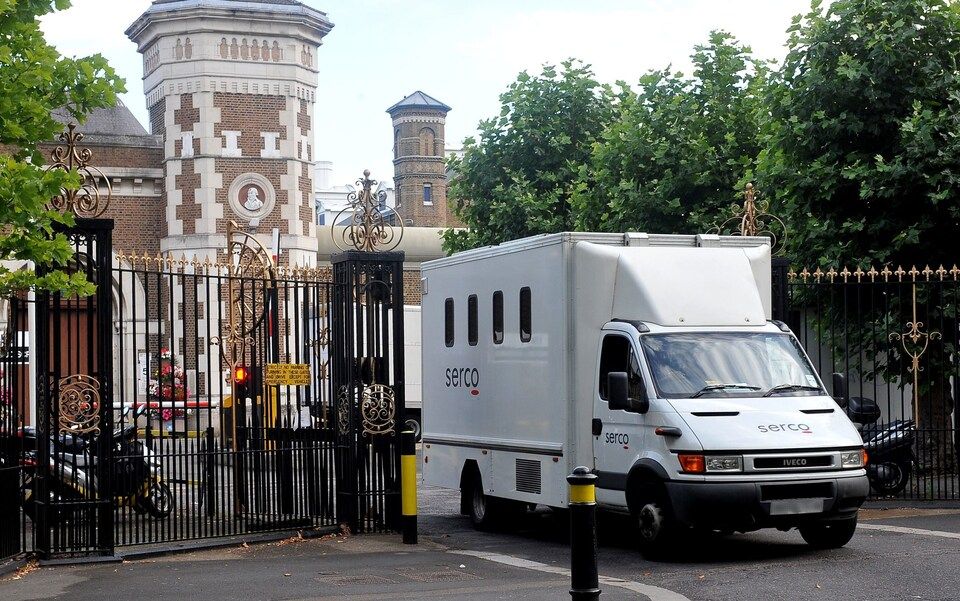
A damning watchdog report has exposed serious failings in the handling of a prisoner’s medical emergency, raising fresh concerns about standards of care within the prison transport system.
The Prisons and Probation Ombudsman (PPO) investigation into the death of 47-year-old Sean Williams found that staff failed to respond in a timely or appropriate manner as he suffered a fatal medical episode while in custody. Williams died on 27 March 2024 while being transported by private contractor Serco from Thames Magistrates’ Court to HMP Thameside.
According to the report, there were significant delays in recognising the severity of Williams’ condition. Staff did not act quickly enough to open his cell within the transport van or administer emergency care, despite clear signs he was experiencing a serious medical emergency.
The investigation also highlighted failures in communication. Serco staff did not pass critical information promptly to emergency call handlers, contributing to a delay in paramedics reaching Williams. The ombudsman concluded that these delays may have impacted the chances of effective medical intervention.
Further criticism was directed at the lack of clear procedures governing medical emergencies during prisoner transport. The PPO found that existing guidance was unclear and insufficient, leaving staff uncertain about their responsibilities in urgent situations. Training gaps were also identified, with the report stating that staff require further instruction to respond effectively to medical crises.
The report also uncovered troubling shortcomings in how the aftermath of Williams’ death was handled. Senior Serco staff reportedly refused to engage with his family, and the company lacked a clear policy outlining responsibilities following a death in custody. This absence of structure, the ombudsman said, risked compounding the distress experienced by bereaved families.
Concerns were also raised about transparency during the investigation. The PPO said Serco was initially unwilling to share key information, and inaccurately stated that two staff members present at the time of Williams’ death had not provided accounts. These statements were later contradicted by evidence from the coroner, which was only shared 17 months after Williams died.
In response to the findings, the ombudsman has issued a series of recommendations. These include the introduction of a clear and detailed policy for managing medical emergencies during prisoner transport, mandatory training to ensure staff understand their roles, and improved procedures for contacting next of kin following a death in custody.
The report also calls for full and prompt cooperation with oversight bodies, stressing that the PPO must have unrestricted access to relevant information during investigations.
The findings are likely to intensify scrutiny of private contractors operating within the criminal justice system, particularly around prisoner welfare and accountability. For Williams’ family, the report confirms a series of systemic failures at a moment when swift and decisive action may have made a difference.
 HMP Prisons Justice Group